
The Arts at Butler Montessori: Creativity Fostered at Every Level
Dec 16, 2025Art and Music as Creative Expression
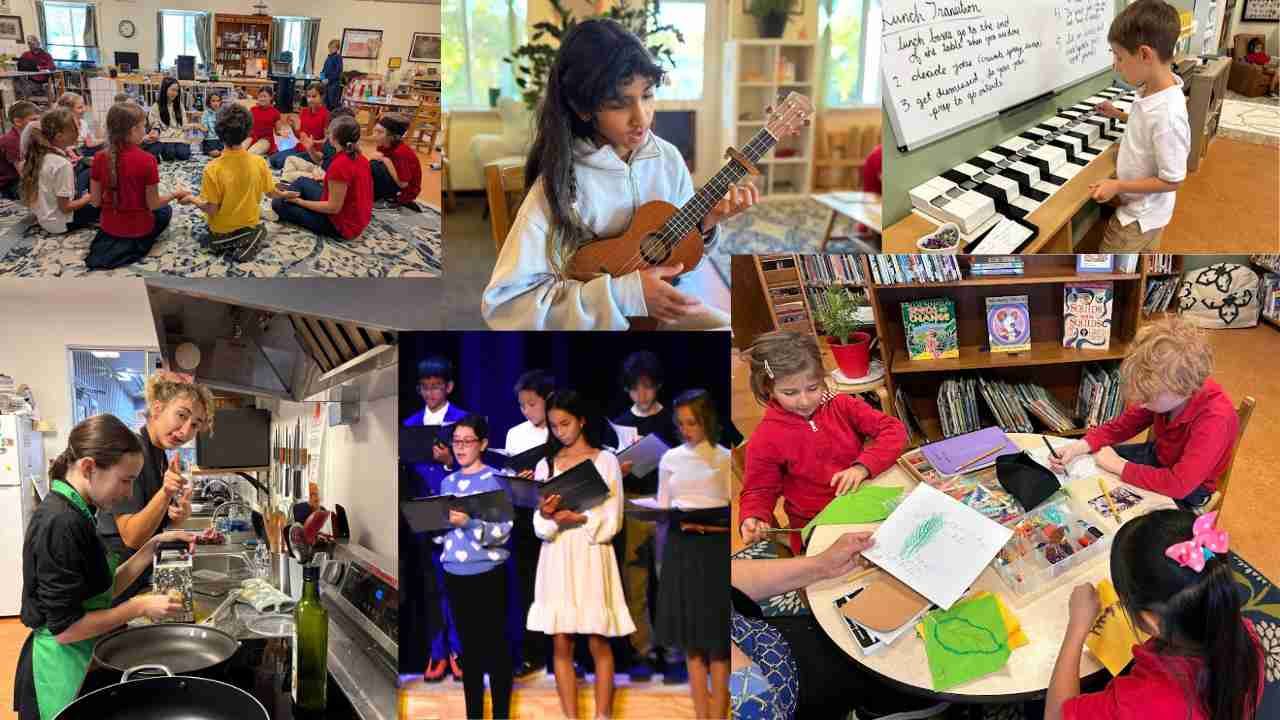
At Butler Montessori, art and music are integral to daily classroom life. Whether a child is decorating math work, learning a new song, shaping clay, or painting a backdrop for a school performance, the arts offer opportunities for self-expression, concentration, and joy.
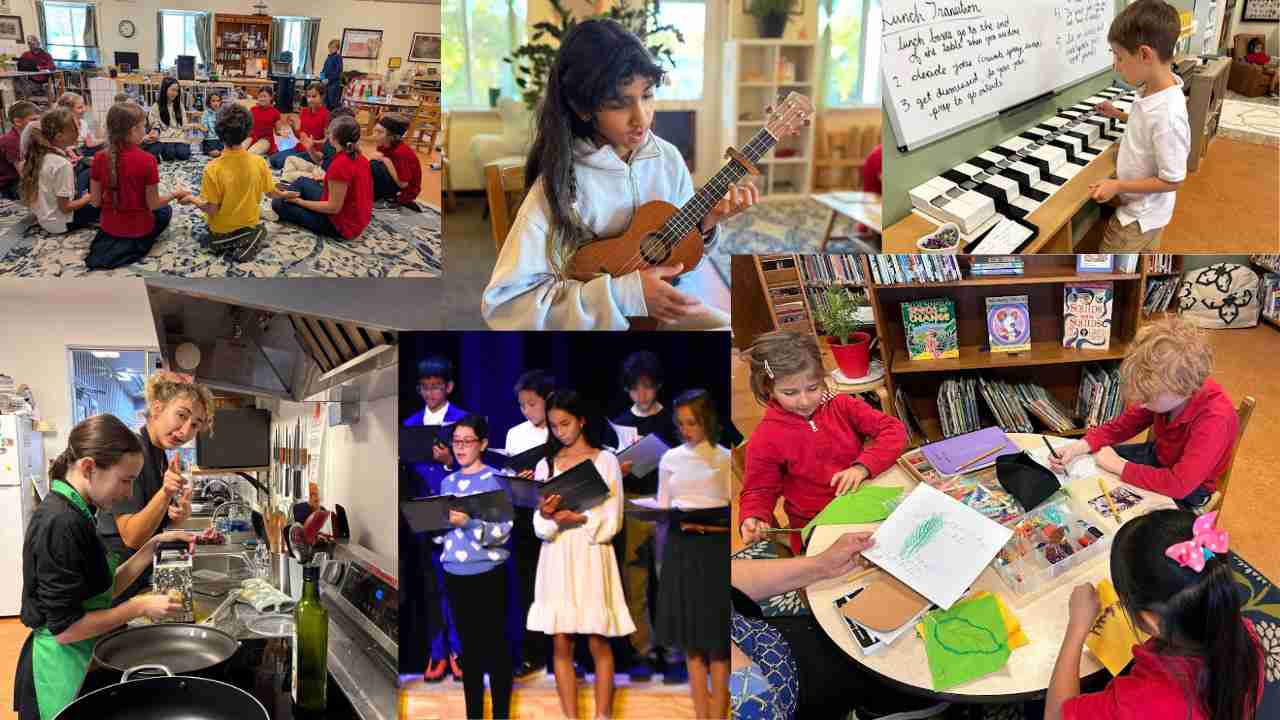
Creative expression includes visual art, movement, rhythm, storytelling, sculpture, cooking, textile work, dramatic play, and the use of a variety of tools and materials. Across all levels, students gain confidence in their ability to create, interpret, and find beauty in their work.
Across the Levels
Nido (6 weeks to 18 months)
Infants experience the arts through sight, sound, and gentle movement. They explore high-contrast black-and-white images in books and through the Montessori Munari mobile. They handle beautiful materials made of wood, metal, fabric, and natural fibers, which introduce symmetry, texture, and order through hands-on exploration.
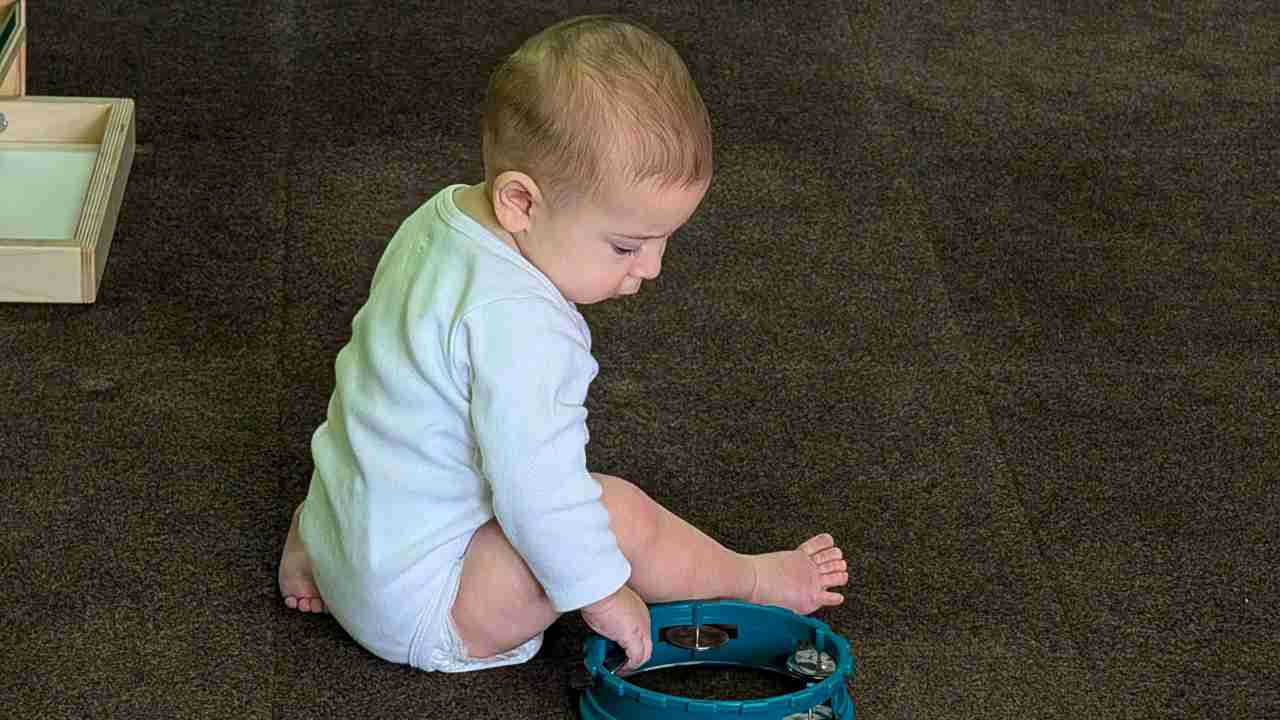
Music is a natural part of the child’s day. Children listen to simple instruments such as drums and shakers, and they may encounter music through a Yoto or music boxes, which allow for independent exploration. Caregivers sing softly during routines, creating predictable musical patterns that help babies feel secure and connected. Finger plays support sensory development, early coordination, and a sense of connection.
Young Children’s Community (YCC) (18 to 36 months)
Toddlers begin to recognize art in their environment and express themselves through hands-on exploration. Real and diverse artwork is displayed at their level, and Guides share short stories about each piece to build vocabulary and appreciation for beauty. Children explore easel painting, chalk, pastels, and gluing activities that require choice, sequencing, and care.
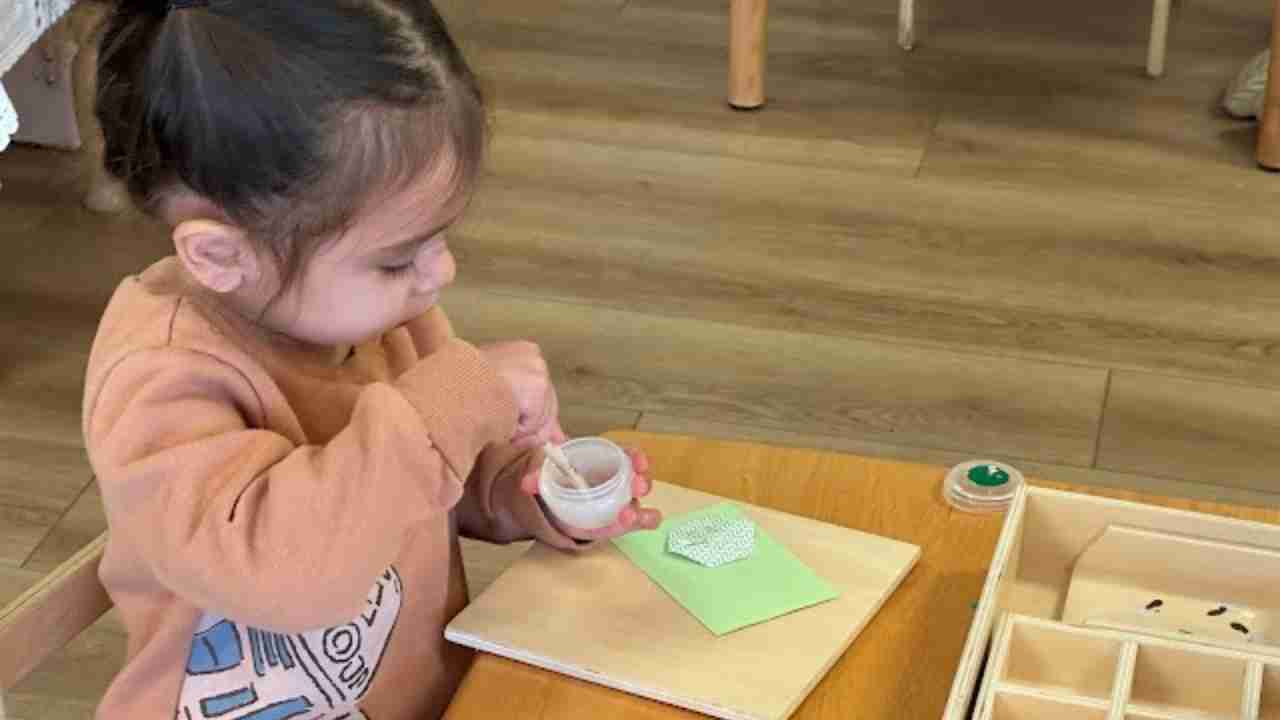
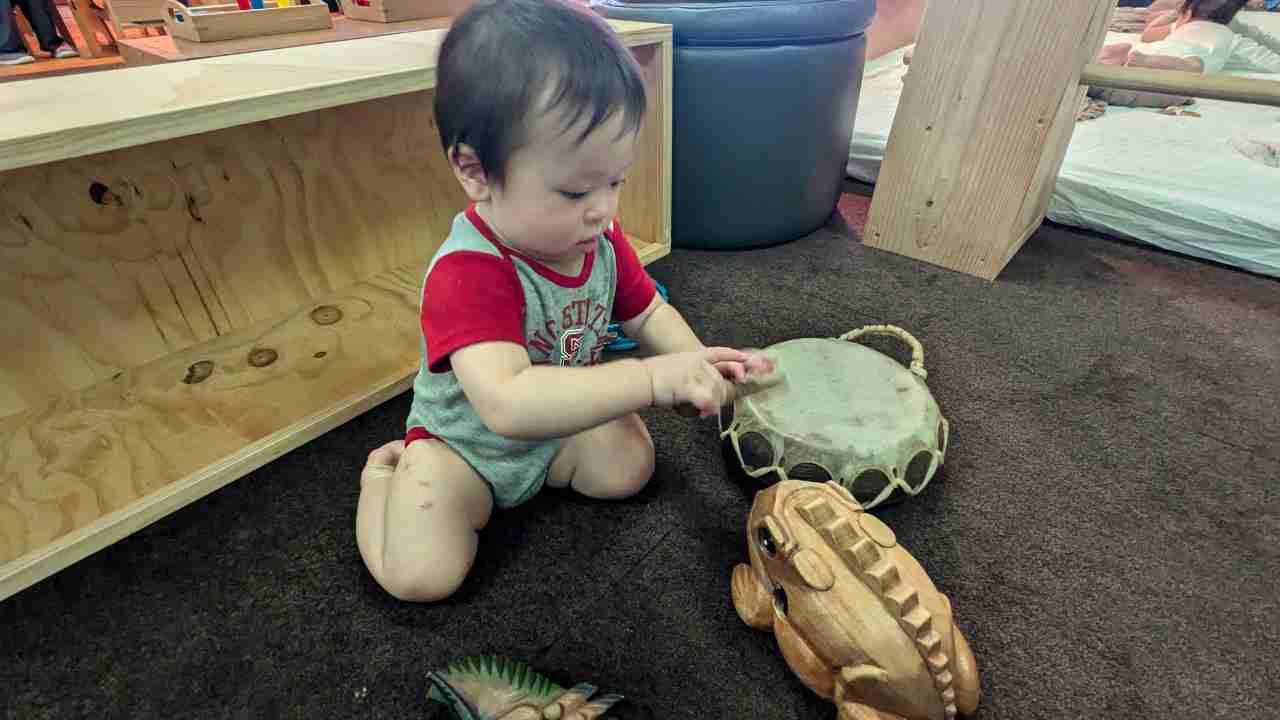
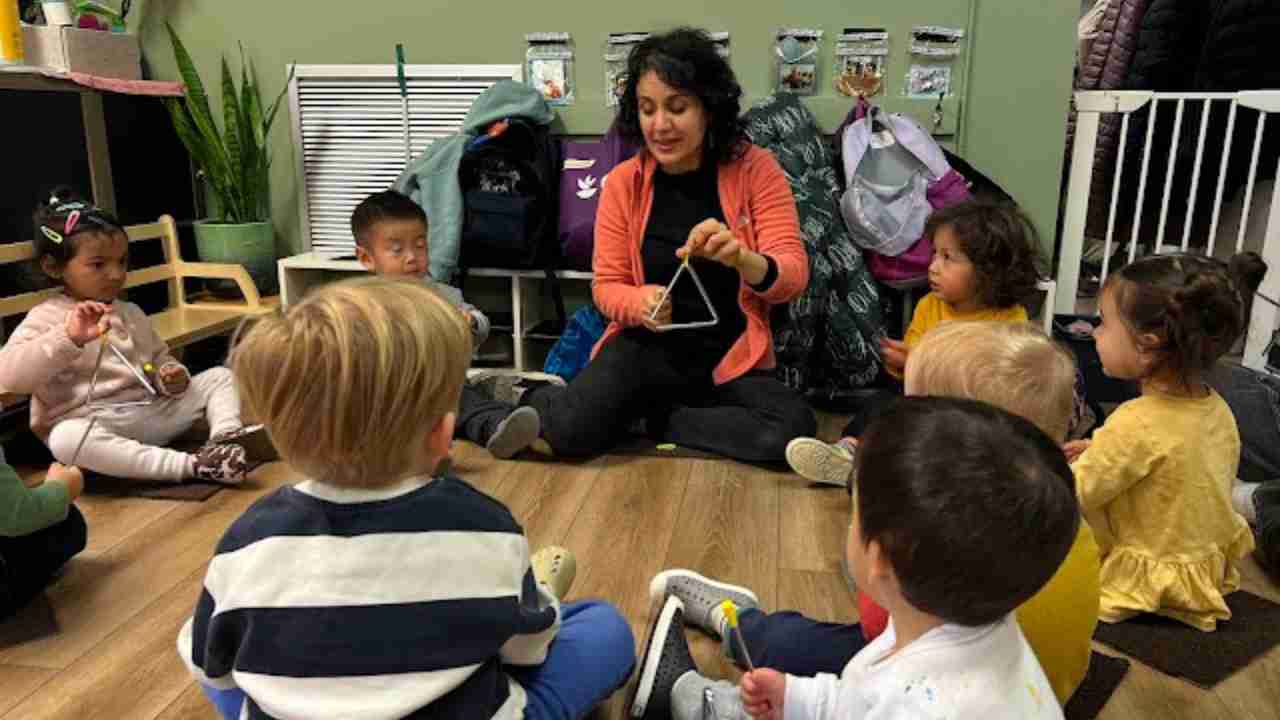
Music includes singing with gestures, simple percussion instruments, and listening activities that help them notice tempo and tone. Art is also woven into Practical Life through Flower Arranging, Wood Polishing, making snack for the community, and Leaf Polishing. Movement games and rhythm activities help children coordinate sound and motion while building confidence in group experiences.
Primary (Ages 3 to 6)
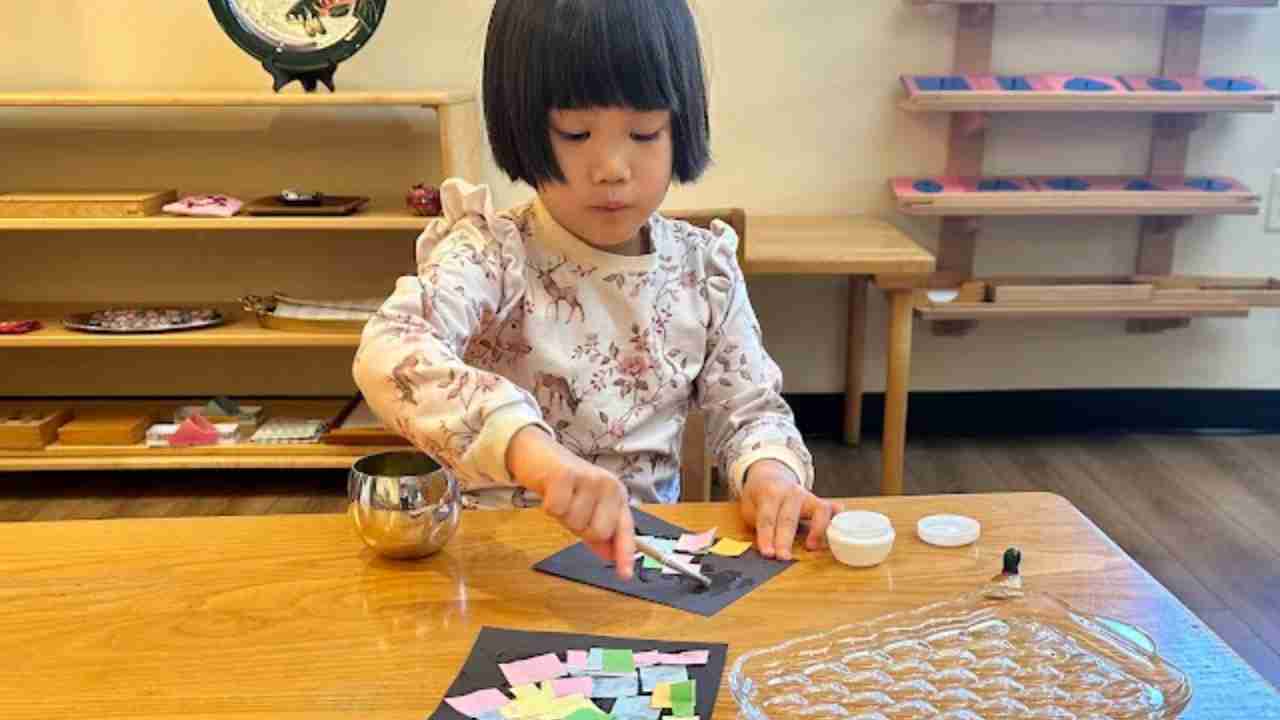
Primary Guides offer foundational lessons in both art and music. Children explore watercolor, sewing, embroidery, metal insets, and materials that introduce dimension and balance. Many lessons from YCC deepen here. For example, gluing evolves from one piece per paper to more complex designs that require planning and sequencing. Flower Arranging and easel painting also increase in complexity.
Music includes daily singing, the Bells, the Line, Sound Cylinders, simple instruments, and listening to music from around the world. Appreciation for beauty becomes more intentional, whether through observing a leaf on the playground, a ladybug on the deck, a sunflower at the farm, or a strawberry from their garden.
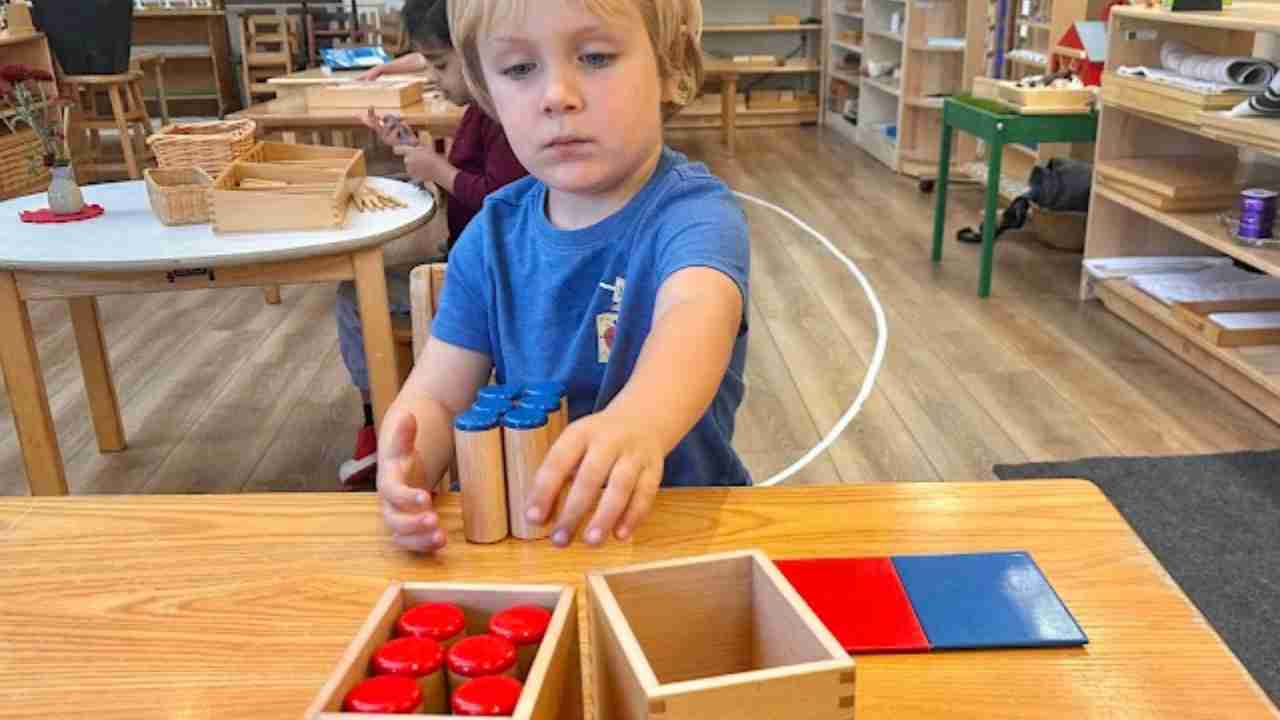
Together, these experiences support coordination, aesthetic awareness, and creative confidence.
Elementary (Ages 6 to 12)
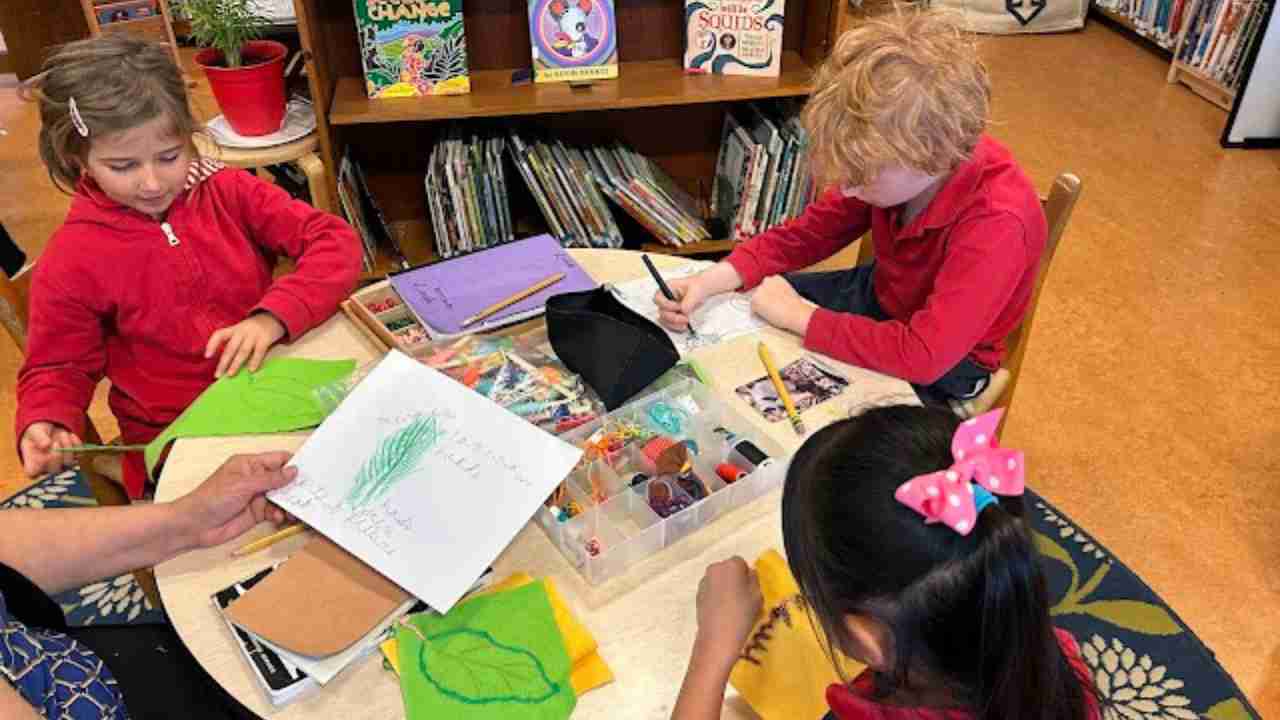
Elementary students expand their skills through weekly specialist lessons and integrated classroom projects. Art may include drawing, painting, sculpture, collage, or papier mâché that supports their academic studies. Students move from guided technique to independent creative expression. Previously introduced skills evolve into follow-up work, such as embroidering the parts of a leaf, creating papier-mâché planets, or building clay models of Earth’s layers.
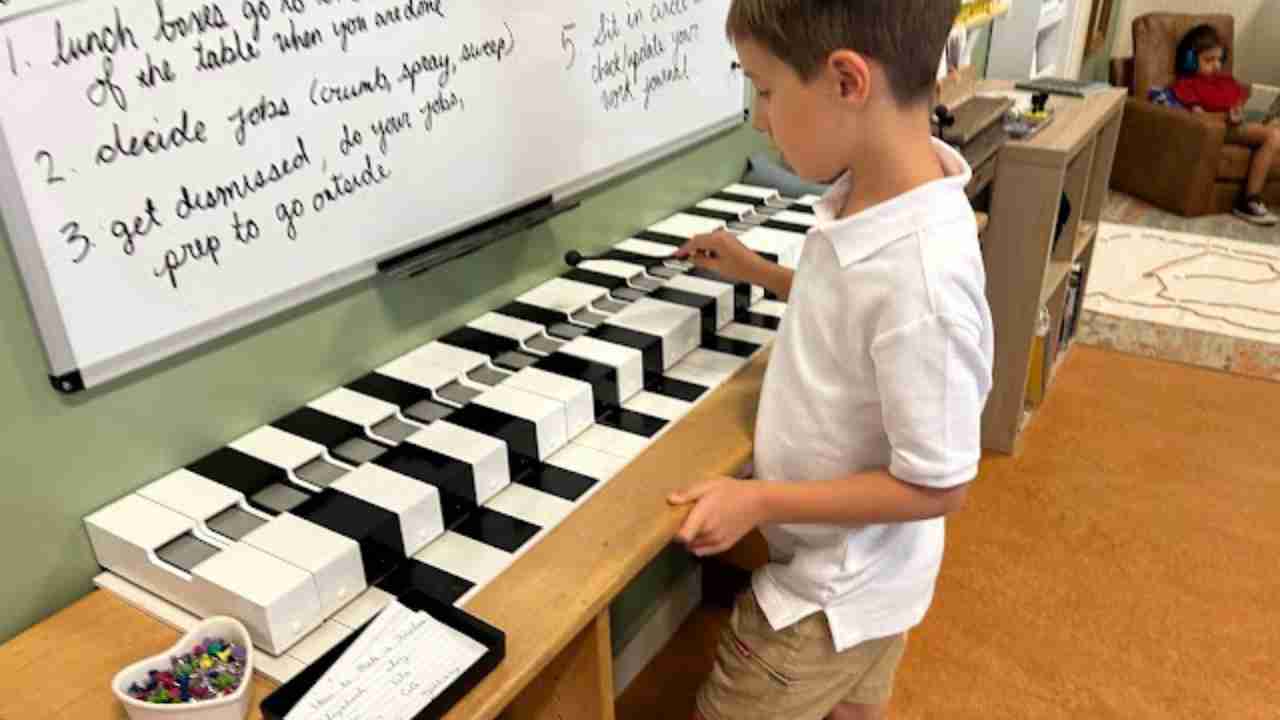
In music, students explore Tone Bars, rhythm, notation, and musical traditions from different cultures and historical periods. They continue developing musical understanding while discovering how music connects to geography, history, and cultural studies.
Intermediate (Ages 12 to 15)
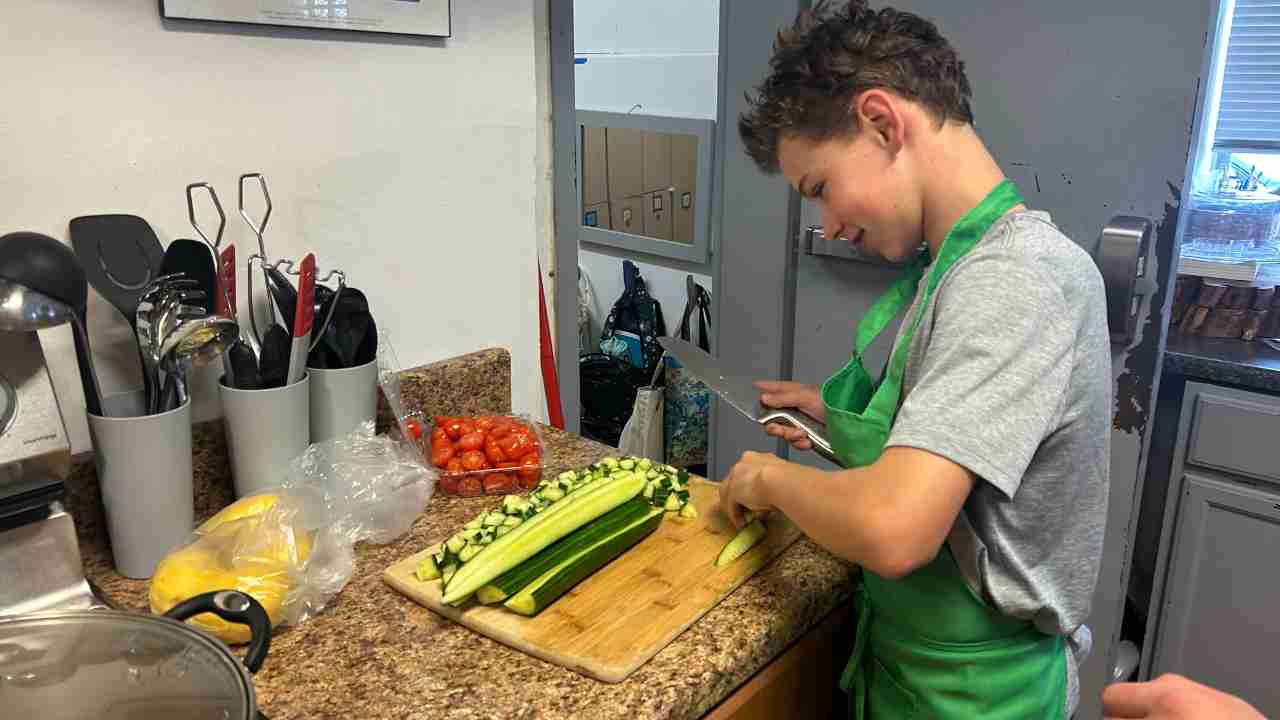
Intermediate students continue to develop their artistic voice through weekly arts instruction and Creative Expression (CE) classes. These small-group courses, offered in four to six-week blocks, give adolescents the time and space to practice skills with intention. CE offerings this year include Music Composition, Photography, Bookbinding, Set Design, Culinary Arts, Fashion Design, and Physical Activity. Students sketch ideas, revise drafts, plan photo shoots, experiment with materials, and collaborate on projects that require careful sequencing and follow-through.
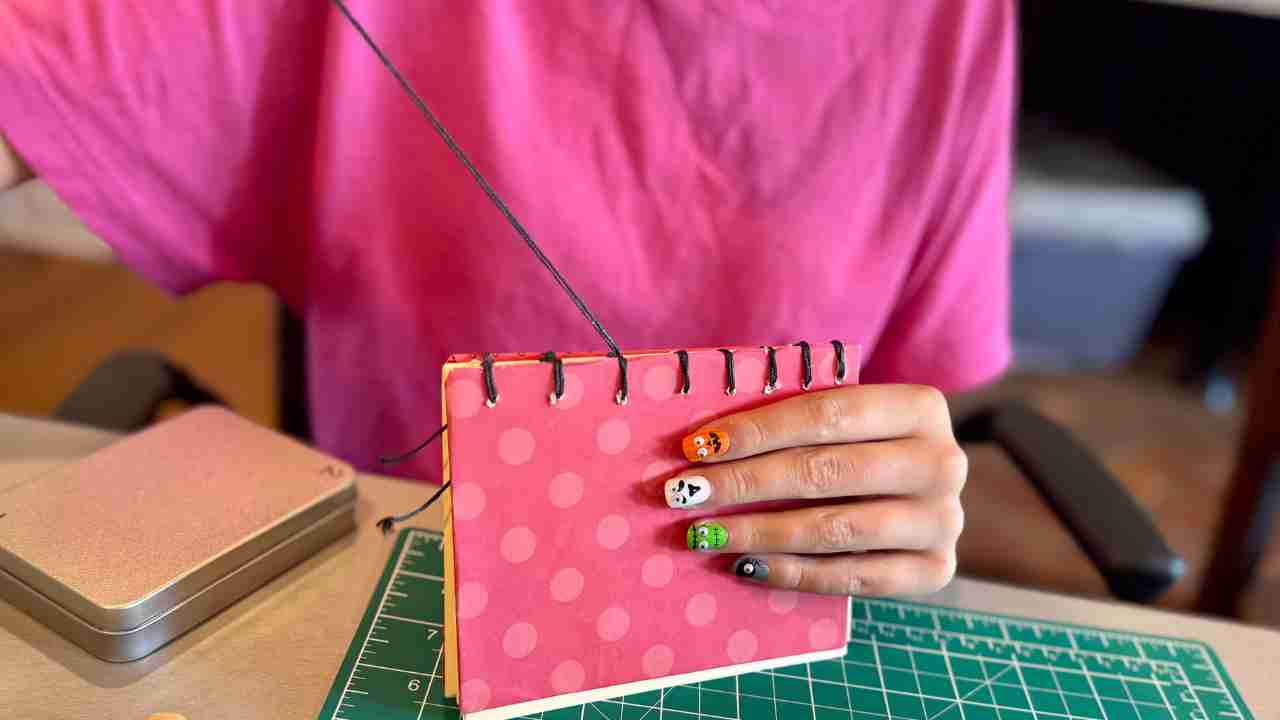
These creative experiences support the adolescents’ need for identity, meaningful work, and a sense of contribution to their community. Students may design a piece of wearable art, build a set piece for the school musical, compose original music, or prepare a dish for a community meal. Through these projects, they learn to give and receive feedback, manage materials and time independently, and complete long-term creative work. Creativity becomes both a form of personal expression and a practical skill that builds confidence and resilience.
Fairhaven High School (Ages 15 to 18)
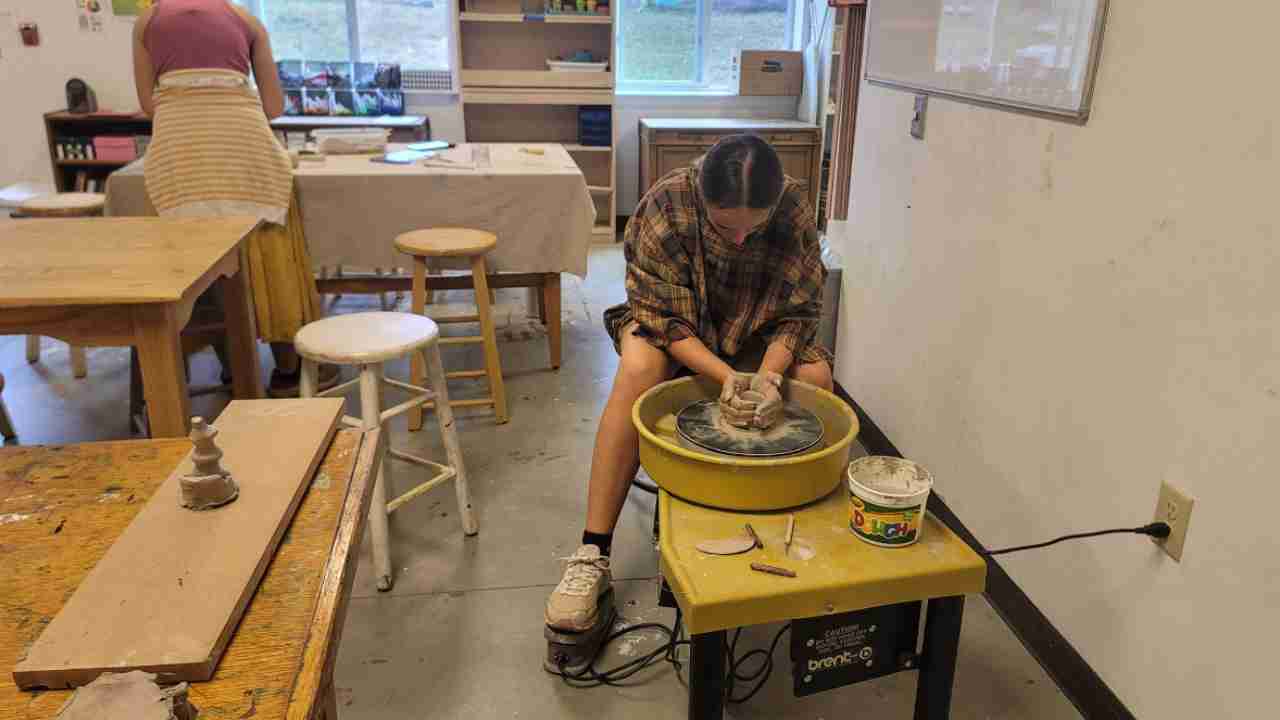
Fairhaven students choose art electives based on their interests and goals, with courses such as Music Theory, Choir, Film and Music History, Ceramics, Photography, Music Composition, and Art Independent Study. High school arts emphasize independence and mastery. Students compose original music, analyze film and its cultural impact, work with professional tools in ceramics and photography, and develop long-term projects that reflect their individual passions.
These courses offer students the opportunity to build technical skills, refine artistic voice, and create polished work for college portfolios or personal milestones. Ceramics students practice hand-building, surface design, and glazing. Photography students learn composition, lighting, and digital editing. Independent Study allows students to propose and pursue self-directed artistic goals such as multimedia projects, documentary series, or advanced ceramics. Through this work, adolescents gain confidence, discipline, and a sense of agency in their creative process.
Learn More, Schedule A Tour @ https://www.butlerschool.org/
Written by Kelly Troung, Lower School Director of Education
