
Your Toddler’s Growing Brain: Self-Awareness & the Path to Focus
Oct 07, 2026🌟 What’s Happening in Your Toddler’s Brain?
Between 18 months and 3 years, your child is going through some amazing brain development. This stage marks the beginning of self-awareness—your toddler is starting to realize that they are their own person, with their own thoughts, choices, and feelings.
You might notice:
- They’re starting to use the word “I” — this shows they’re beginning to see themselves as separate from you.
- They begin to say “No” a lot — this is a normal part of development! It’s a sign they’re discovering their own will and learning how to express it.
- They begin to remember and talk about things even when those things aren’t right in front of them (like a toy at Grandma’s house).
All of this shows growing awareness, memory, and early imagination. It’s the foundation for deeper thinking and learning later on.
🧠 Why Concentration Matters
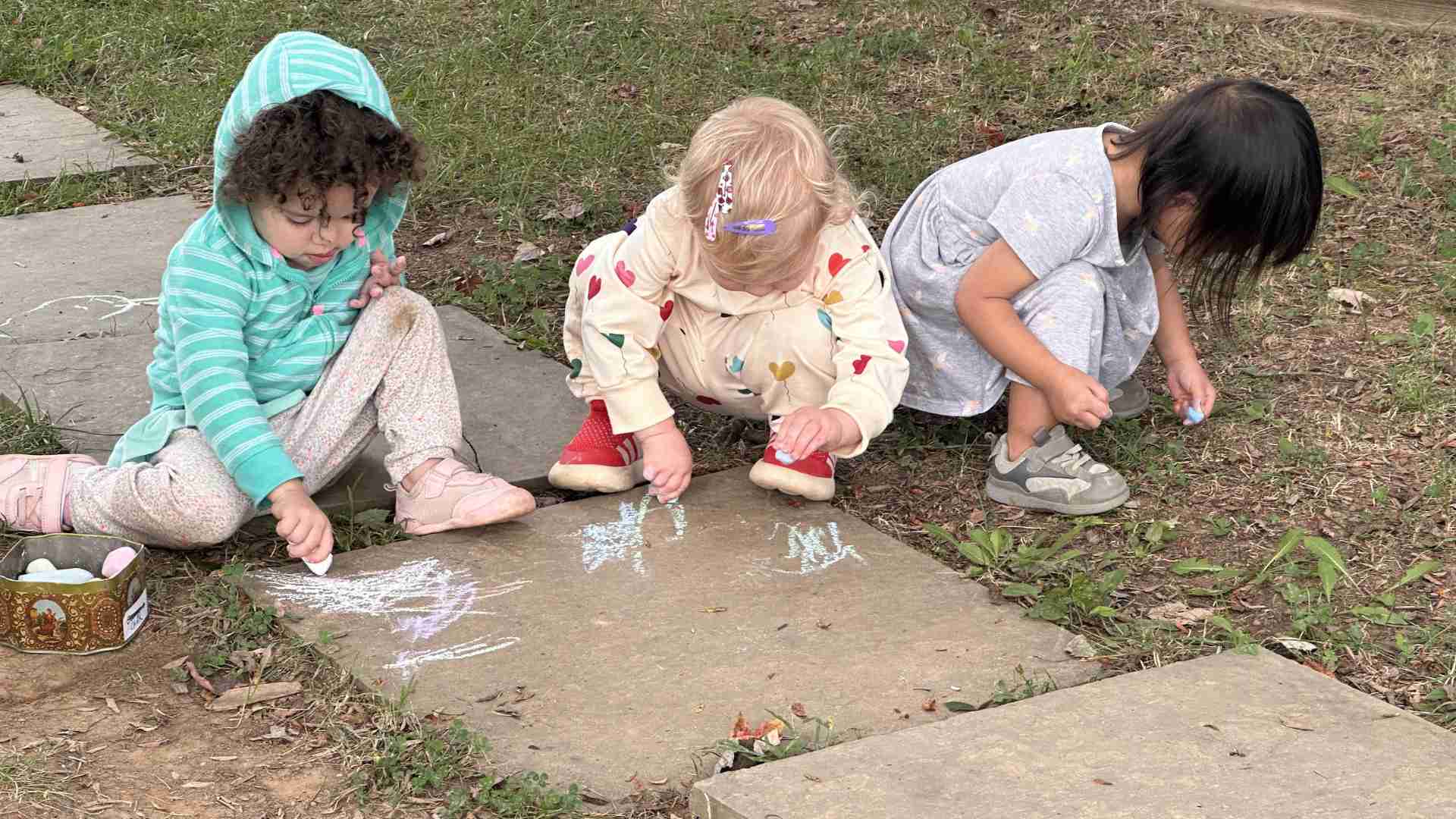
As toddlers explore the world, they begin learning how to focus their attention for short periods. This is the very beginning of concentration—a powerful tool that helps children organize their thoughts, learn new skills, and feel confident.
Look for signs of early focus, like when your toddler:
- Repeats the same task over and over (pouring water, stacking blocks)
- Uses lots of effort to figure something out
- Is absorbed in one activity, tuning out distractions
Concentration isn’t just helpful—it’s essential for brain development, learning, and even emotional regulation.
🔑 How You Can Support Their Growing Mind
As a parent, you don’t need to “teach” everything. Instead, you can support your toddler’s brain and emotional growth by creating the right environment.
Here’s how:
❤️ Emotional Safety First
- Be responsive, gentle, and predictable.
- A child who feels secure can focus and learn.
🙌 Encourage Independent Activity
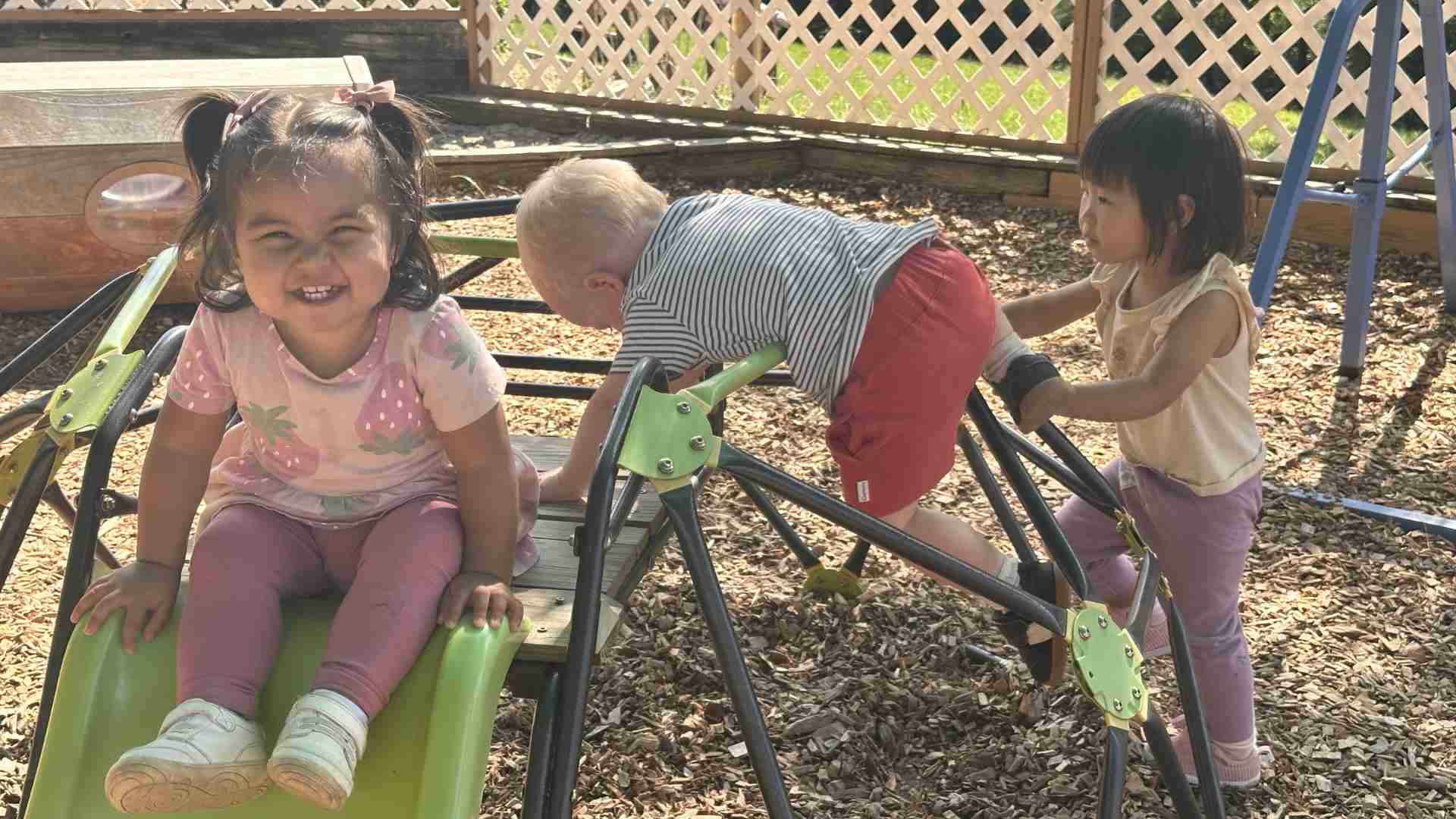
- Let your toddler explore safely without jumping in too quickly.
- Give them time and space to repeat activities.
🗓️ Keep Things Consistent
- Routines help toddlers feel safe and know what to expect.
👀 Observe Before You Help
- Watch to see what interests your child.
- Don’t interrupt when they’re focused.
- If they’re struggling, offer just enough help—not too much.
🎯 Ask for Effort, Not Perfection
- Offer tasks that are just challenging enough to stretch them.
- If it’s too easy, they’ll get bored. If it’s too hard, they’ll give up.
🎲 Offer Choices
- Let them choose between two outfits or two snacks.
- These little decisions support brain development and self-confidence.
🧩 The Power of Repetition
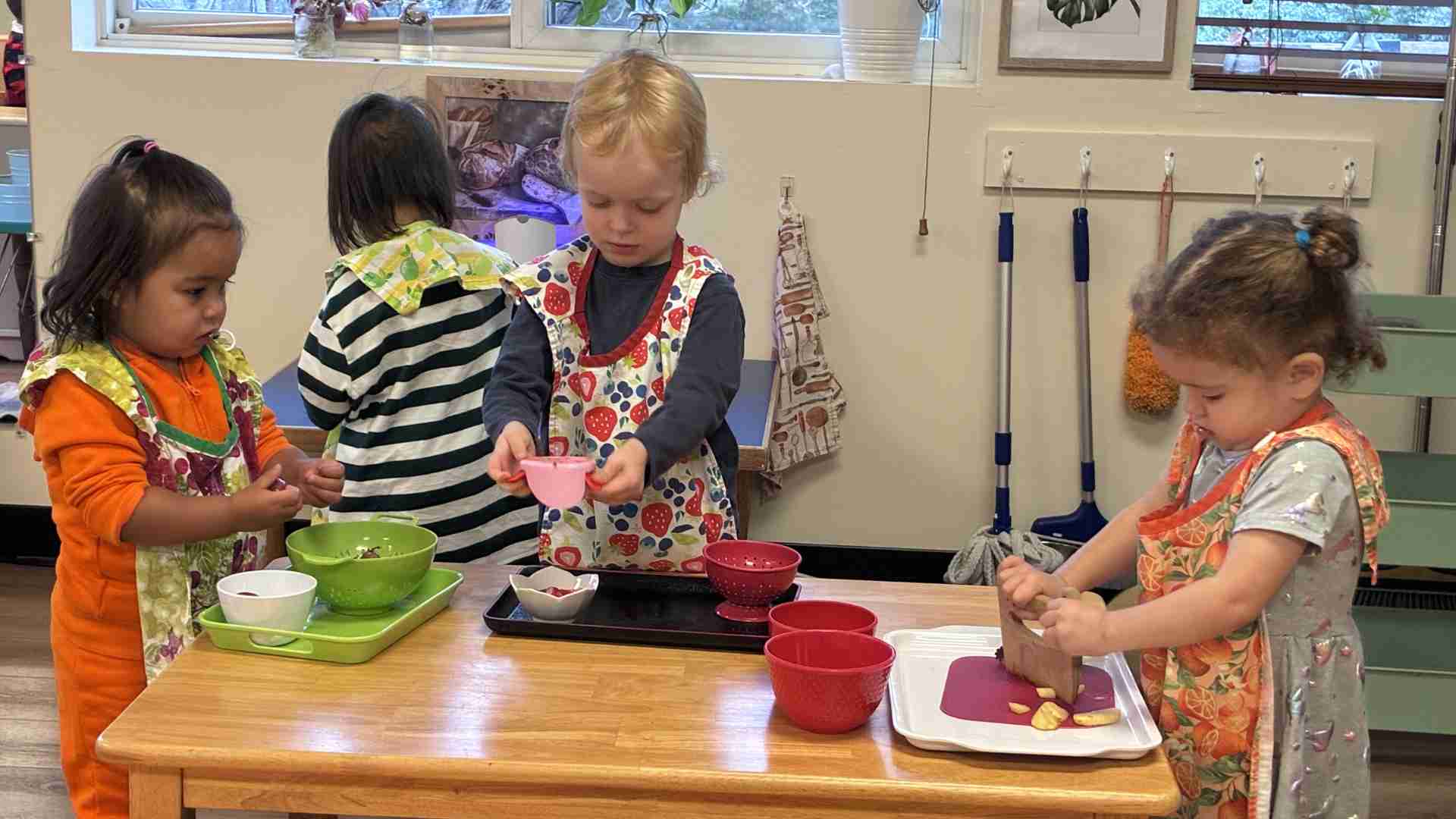
Repetition is how toddlers learn best. It helps the brain build strong connections and forms the basis of memory and problem-solving.
Let your child:
- Do the same thing over and over
- Try to solve problems without rushing in to fix it
- Follow steps in an activity (like washing hands, getting dressed)
When they repeat, they’re not just playing—they’re building their brain.
🧍♀️ Your Role as the Adult
Think of yourself as your child’s guide, not their entertainer. Your job is to:
- Model calm, focused behavior
- Create a peaceful, ordered space
- Offer just the right challenge
- Step back when needed
- Be present when needed
- Trust your child’s process
You don’t need to “do more”—you need to do less but with more intention.
🌈 Final Thought
Your toddler’s brain is rapidly developing. Between 18 months and 3 years, they’re learning who they are, what they want, and how to focus. This is the beautiful beginning of independence, memory, and true learning.
By offering emotional safety, thoughtful choices, and time to focus, you are giving your child the best possible foundation—for both academic success and lifelong well-being.
Zahra Javaheri
AMI 0-3 Guide
