
Dressing for Independence: Clothing Tips for Toddlers (18–36 Months)
Sep 23, 2026Helping your toddler learn to dress themselves is one of the first big steps toward independence. With the right clothing and a little patience, your child will feel confident, capable, and proud every time they succeed in getting dressed “all by myself!”
🧠 Why Dressing Matters
Dressing isn’t just a routine task—it’s a learning opportunity. When your toddler learns to dress and undress:
- They build fine motor skills
- They develop body awareness
- They strengthen problem-solving and sequencing
- They feel empowered and independent
It’s also a powerful moment of self-care—a sign that they’re becoming active participants in their own lives.
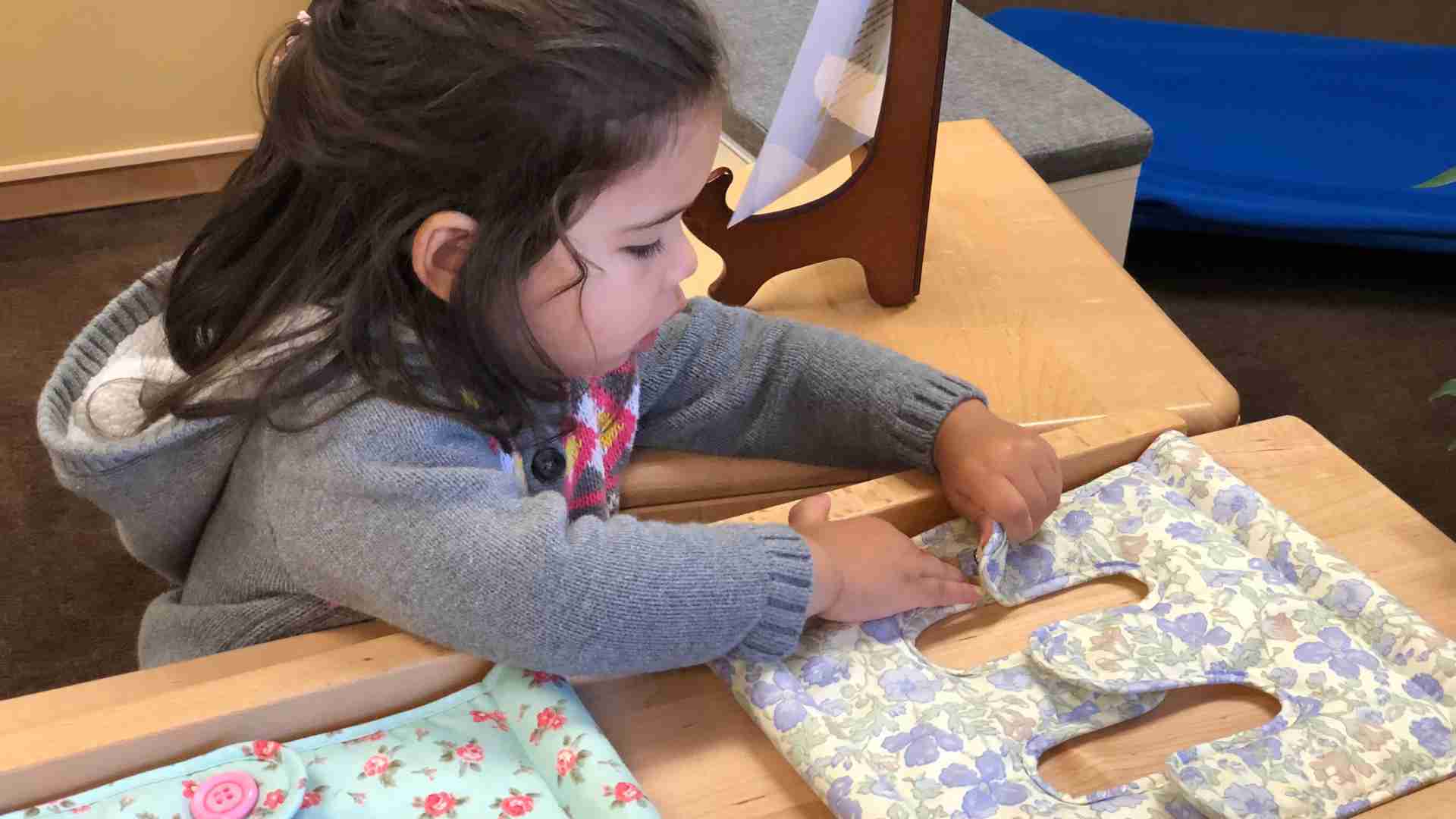
👣 How to Support Your Toddler’s Independence with Clothing
1. Start Early—with Collaboration
Even before your child can walk or talk, you can involve them:
- While dressing your baby or young toddler, say things like:
👉 “Can you give me your foot?”
👉 “Let’s lift your arms together.” - They’ll begin to anticipate what you’re doing and join in the movements.
Over time, they’ll go from passive helpers to active participants, and eventually they’ll start dressing themselves—with pride.
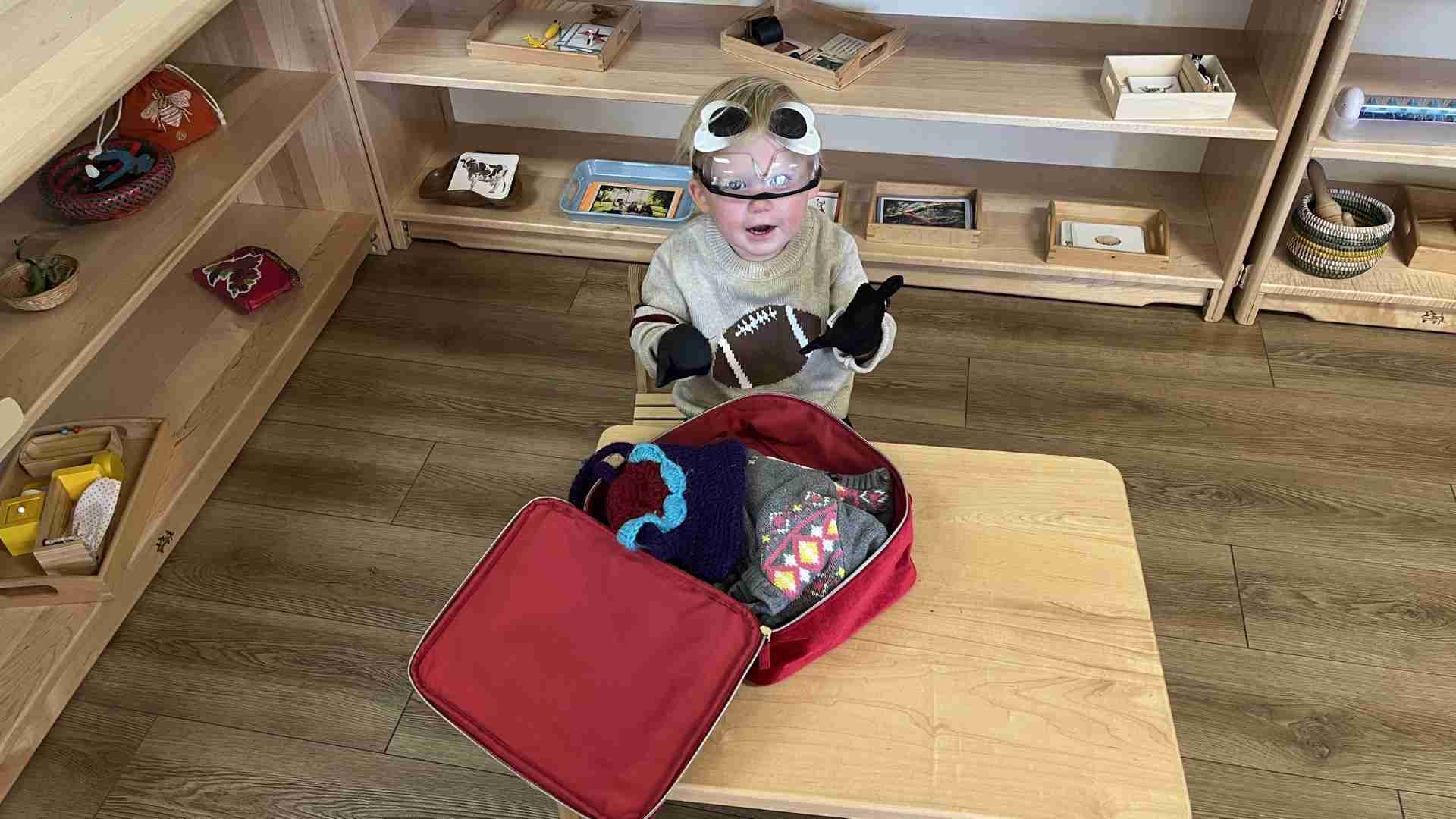
2. Choose Easy, Toddler-Friendly Clothing
Not all clothes are created equal for little hands! Here’s what works best:
✅ Elastic waistbands (on pants, shorts, and underwear)
❌ Avoid zippers, buttons, snaps, or belts that require adult help
✅ Front closures (buttons or velcro in front where they can see and reach)
❌ No back zippers or collars they can’t manage
✅ Stretchy socks that are easy to pull on
❌ Tight, stiff socks are frustrating and discouraging
✅ Simple shirts that go over the head easily
❌ No tight necklines or layers to wrestle with
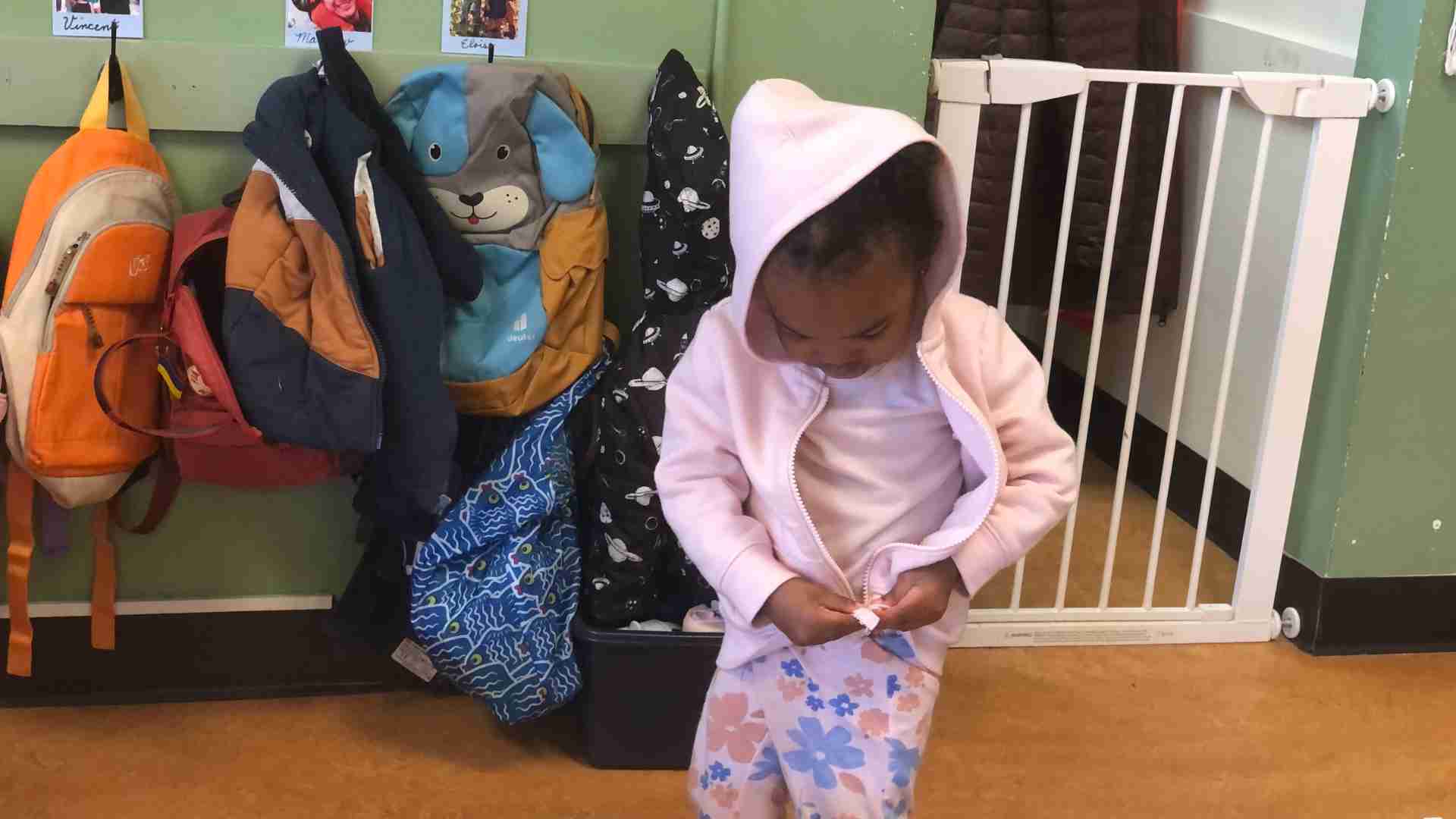
✅ Light jackets with large zippers or velcro
❌ Complicated fastenings, drawstrings, or toggles are too tricky
🧥 Helpful Tip: Teach the "jacket flip trick" – lay the jacket on the floor, hood by their feet, then have them slide arms in and flip it over their head. They love this one!
3. Create a Toddler-Friendly Dressing Area
Set up a space that supports your child’s efforts:
- A low stool or bench to sit on while pulling on pants or shoes
- A mirror at their level so they can see themselves and adjust their clothes
- A wardrobe or drawer they can reach themselves
- A small laundry basket where they can toss dirty clothes
- Hooks at child-height for coats, hats, or bags
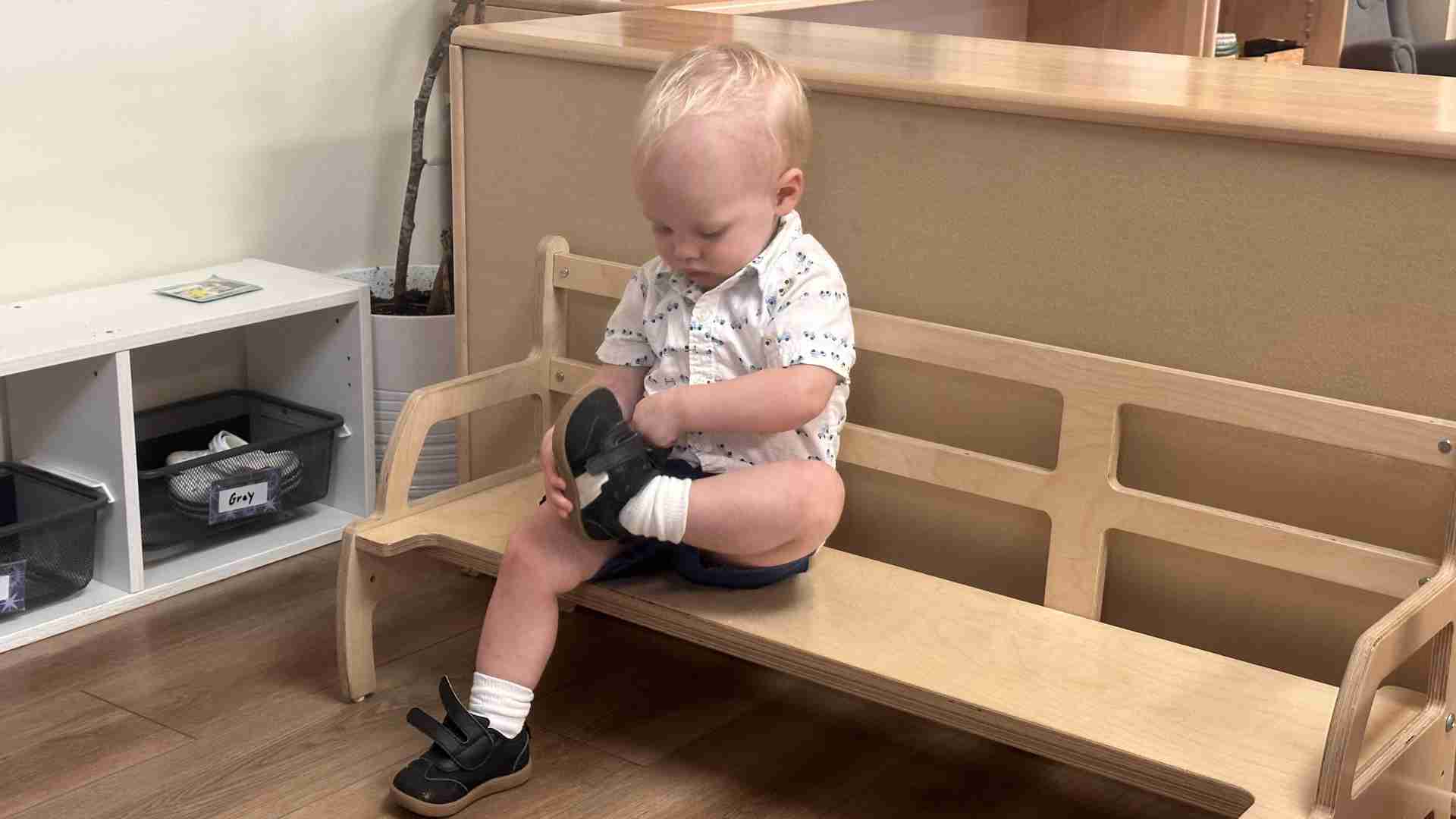
4. Break It Down and Teach One Step at a Time
Your toddler won’t learn to dress all at once. Help by:
- Demonstrating slowly how to do each step
- Using simple language: “Hold your pants with two hands. One foot in. Now the other. Stand up and pull.”
- Naming body parts as they dress: “Let’s put your arm through the sleeve.”
Celebrate each little success:
🎉 “You pulled your pants up all by yourself!”
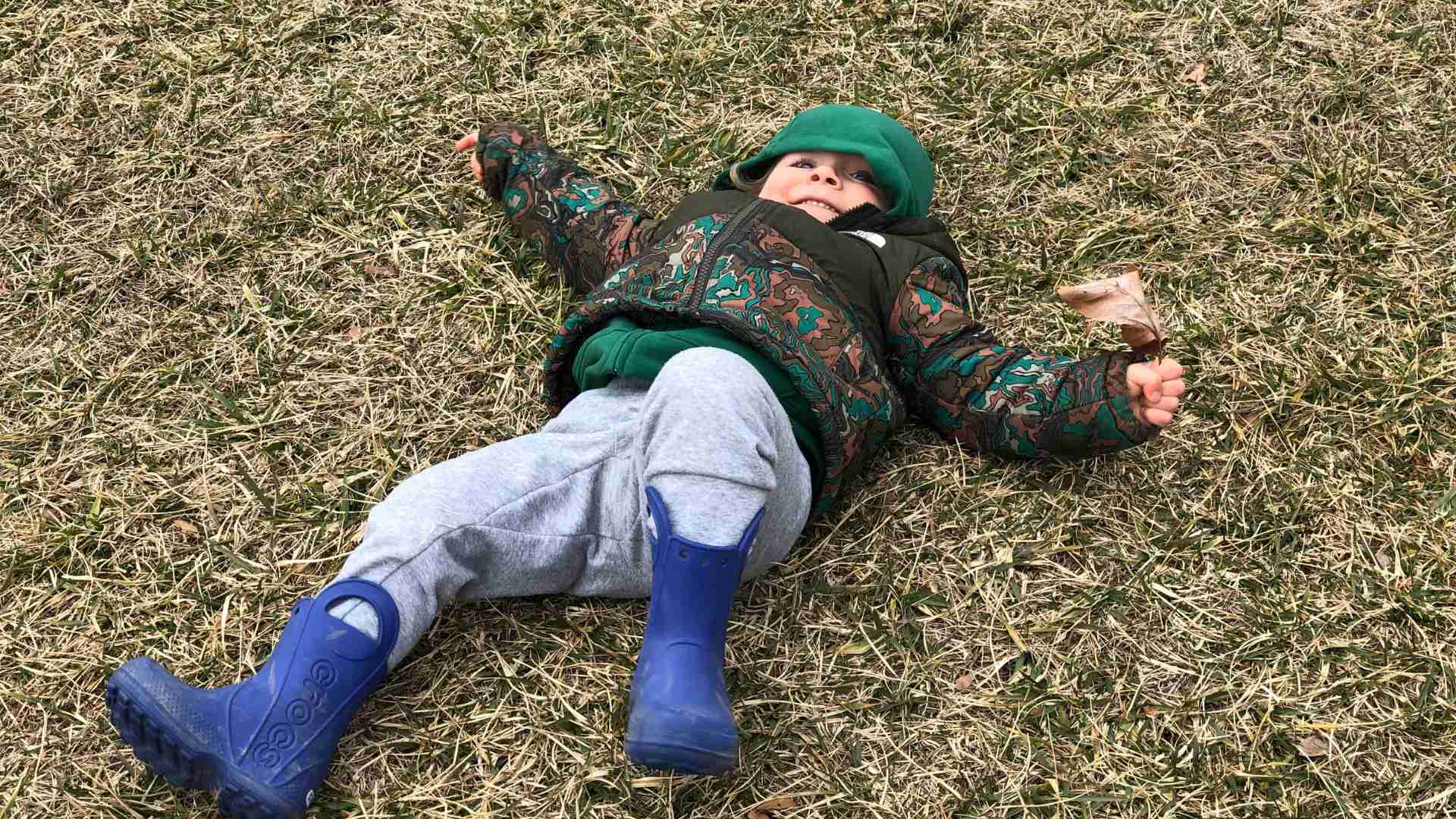
5. Give Time, Not Pressure
Dressing takes time—especially when learning. Build in extra minutes into your routine, especially in the morning or before going out.
Avoid jumping in to fix or finish too quickly. It’s okay if:
- The shirt is backward
- The socks are mismatched
- It takes 5 minutes to get one shoe on
💬 Let your mantra be:
“It’s not about perfection. It’s about participation.”
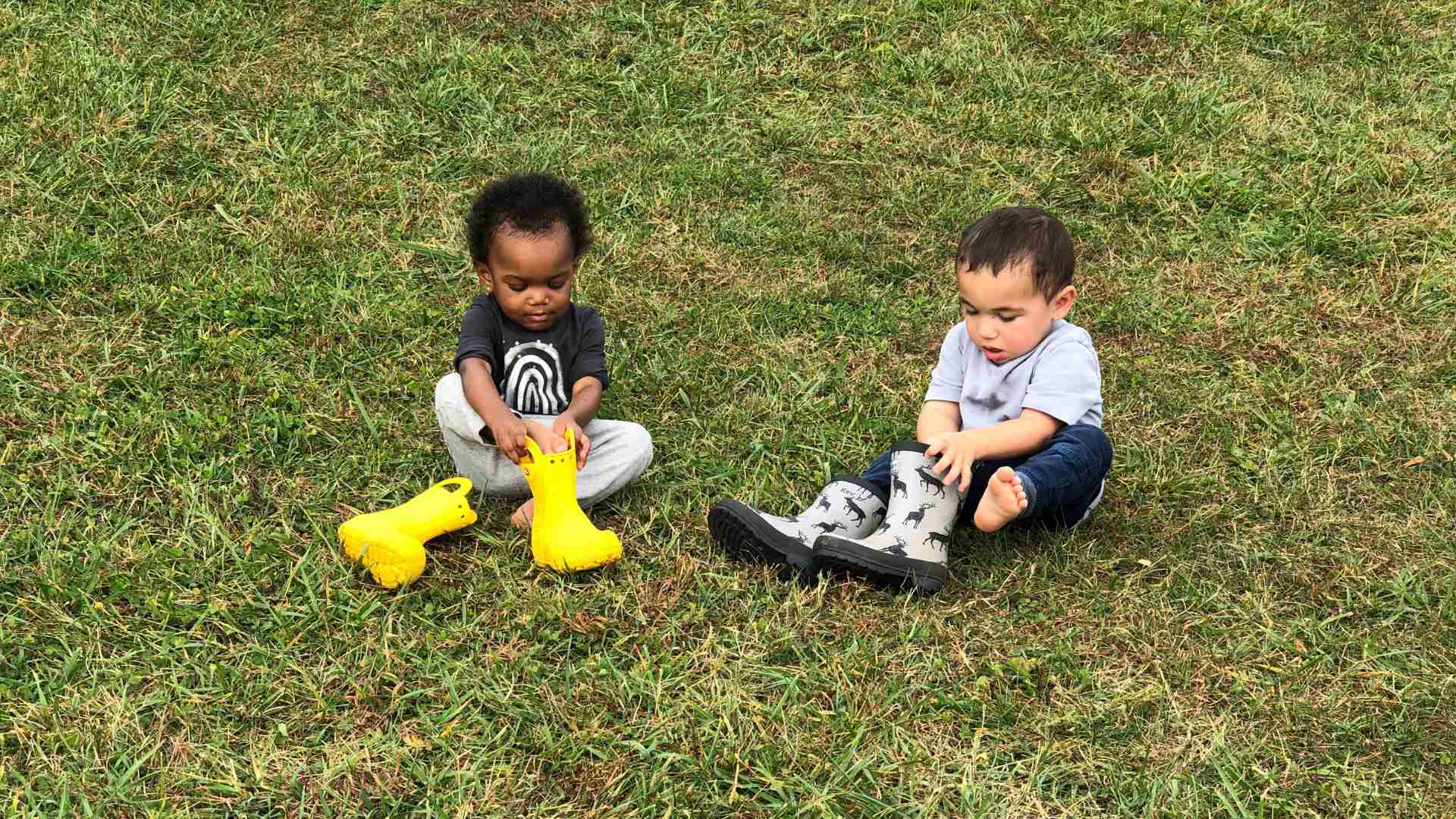
6. Adapt Seasonally
Think ahead for changes in the weather:
- Rain boots with handles that they can pull on themselves
- Simple hats or mittens that slip on easily
- Light layers they can remove on their own
❤️ Final Tips for Parents
- Stay calm and patient — it’s tempting to do it “quickly” for them, but learning takes time.
- Keep clothing simple and consistent — toddlers love routine and predictability.
- Avoid unnecessary “cute but tricky” outfits — save them for special occasions, and support independence day-to-day.
- Let them choose between 2 outfits or 2 shirts. It builds decision-making and ownership.
- Model the steps with your own dressing when possible: “I’m putting on my socks, just like you!”
🌱 Remember:
Your toddler wants to do things on their own—it’s part of their natural development. The more you trust and support them, the more confident and skilled they’ll become.
“Let me do it myself” is a toddler’s way of saying:
“I’m growing. Please help me learn.”
By Zahra Javaheri
AMI 0-3 Guide
