
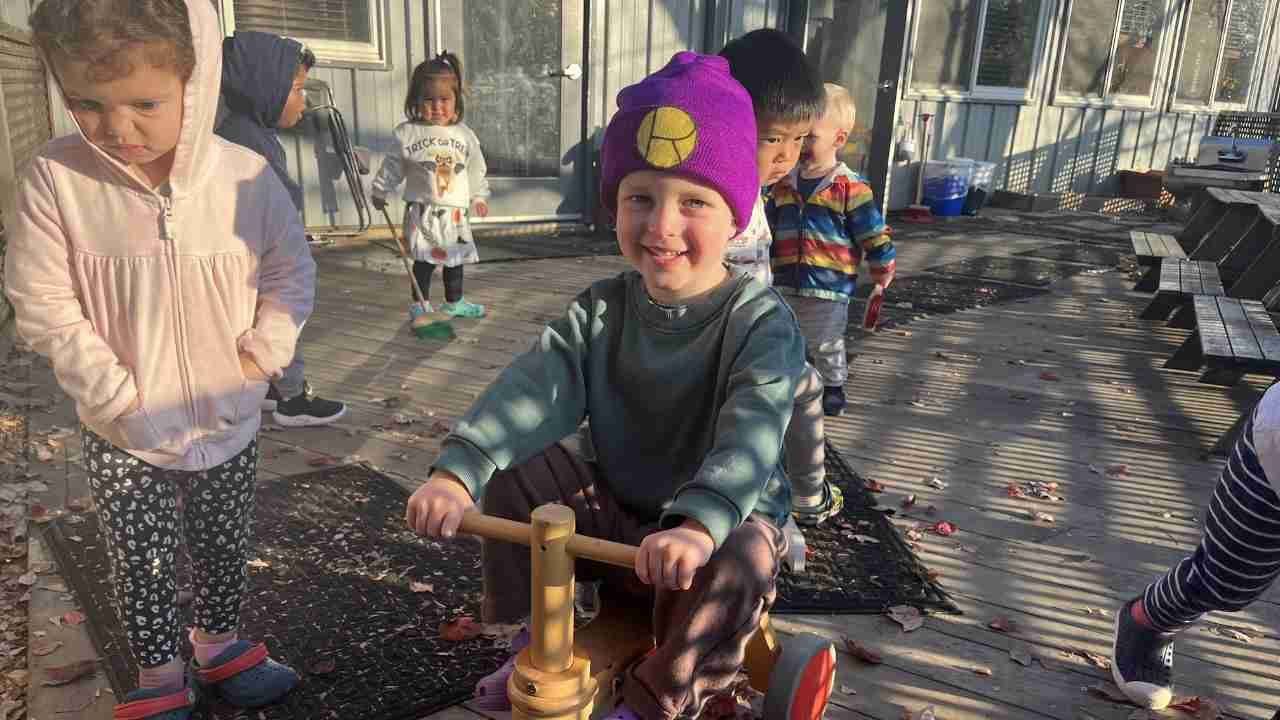
Understanding Emotional Development in Toddlers (1–3 years)
Nov 03, 2026Between ages 1 and 3, your toddler is going through big emotional changes. They're learning not only how to feel, but how to express and manage those feelings — and you play a key role in guiding them through this journey.
💡 Key Aspects of Emotional Development
1. Temperament & Attachment
Every child has their own natural temperament (some are more easy-going, others more sensitive). How they connect emotionally with parents and caregivers — their attachment — also strongly shapes how they handle emotions.

2. Recognizing & Expressing Emotions
- Around 1 year, toddlers begin to notice other people’s emotions and may try to imitate them — sometimes seriously, sometimes playfully.
- Between 1 and 3 years, they start to:
- Recognize their own emotions (happy, sad, angry).
- Understand that others feel differently than they do.
- React based on how they think others feel about them.
🧘♂️ Emotional Regulation: A Work in Progress
Under Age 3:
- Toddlers are just beginning to regulate their emotions.
- Tantrums are normal — they don’t yet have the tools to manage big feelings like frustration or sadness.
- With your help, they’ll learn that emotions come and go and can be talked through and calmed.
Age 3 and Up:
- Children become more consistent in handling emotions.
- They start using past experiences to manage new emotional situations.
💖 Why Emotional Health Matters
- Emotions affect every part of development — learning, relationships, even physical health.
- Stress or emotional neglect in early life can impact a child’s sense of safety and well-being.
- Creating a calm, loving environment helps your child build healthy emotional habits for life.
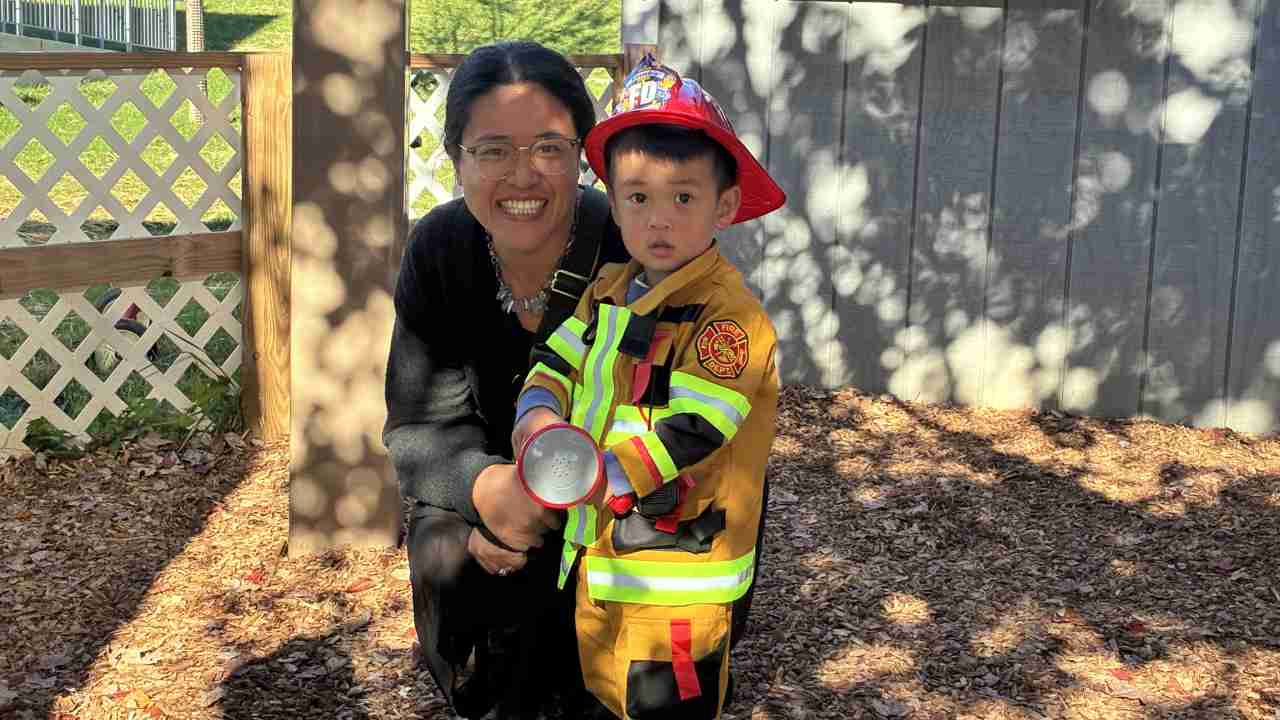
👨👩👧 The Role of Parents & Caregivers
1. Be Emotionally Available
- Take care of your own emotional health — children pick up on your energy and mood.
- Slow down, speak gently, and stay calm — your tone and body language teach them how to respond to emotions.
2. Create a Safe Emotional Environment
- Keep routines predictable and environments calm (soft voices, cozy spaces, nature when possible).
- Give toddlers the chance to rest, play, and explore freely without being rushed.
3. Help Them Name Emotions
- Use real words for feelings: “You’re feeling mad because your toy broke.”
- Teach emotional vocabulary over time. Use visuals if helpful (like an emotions chart).
4. Model How to Cope
- When you're upset, model healthy coping: “I’m feeling frustrated, so I’m going to take a deep breath.”
- Acknowledge all emotions — not just the “good” ones.
5. Stay Attuned
- Pay attention to what your child is really needing. Sometimes behind a tantrum is hunger, tiredness, or needing closeness.
- Help them calm down by being physically close, using a soft tone, and offering comfort without rushing.
💬 Practical Tips for Everyday Life
- Say what’s happening: “You look upset. Let’s sit together.”
- Offer choices: “Do you want to hug your teddy or sit with me?”
- Don’t dismiss their feelings (“You’re fine”) — validate them: “It’s okay to feel sad.”
- Teach them to breathe: Take slow deep breaths together.
- Use consistent routines to help them feel secure.
- Reflect back what they’re feeling to help them learn:
“You’re mad because it’s time to leave the park. That’s hard.”
🎨 Bonus: Use Tools for Emotional Learning
- Emotion charts (pictures of faces with feelings)
- Books about emotions
- Songs and stories that talk about feelings
- Simple yoga or breathing games
🧠 Remember:
- Every child is different. Some are more sensitive than others.
- You are your child’s emotional teacher — not by being perfect, but by being present, calm, and consistent.
- Help them grow into emotionally intelligent people by respecting their feelings, naming them, and showing them how to handle them.
Zahra Javaheri
AMI 0-3 Guide
