
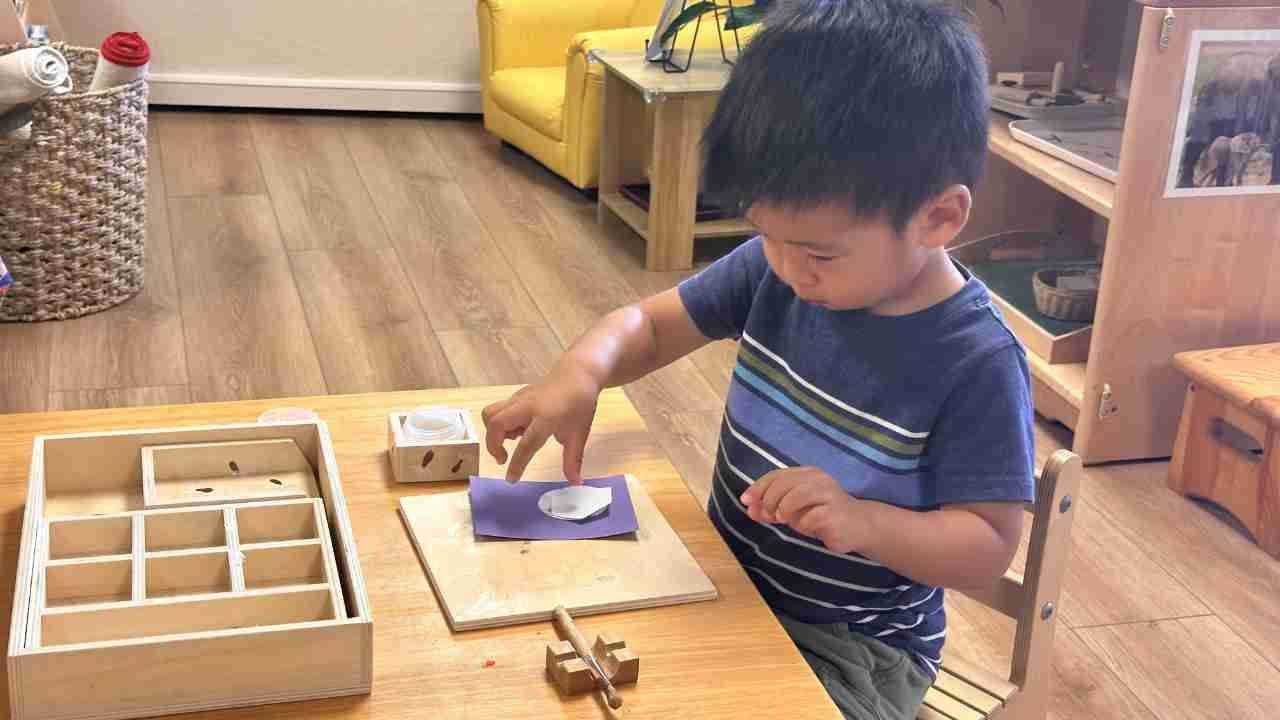
Sensitive Periods: Unlocking Natural Learning in Early Childhood
Nov 12, 2026One of the most fascinating and important concepts in Montessori education is the idea of Sensitive Periods—a unique window of opportunity when a child is naturally drawn to specific skills or knowledge areas. These periods are powerful, time-sensitive, and essential to your child’s development between birth and six years of age.
🌟 What Are Sensitive Periods?
A Sensitive Period is a temporary phase in your child’s early development when they are intensely focused on learning a particular skill—such as language, movement, order, or social behavior. During this time (0-3), they absorb new information effortlessly and with great joy. Dr. Maria Montessori described these moments as "a fire within the child," driving them to engage deeply with the world around them.
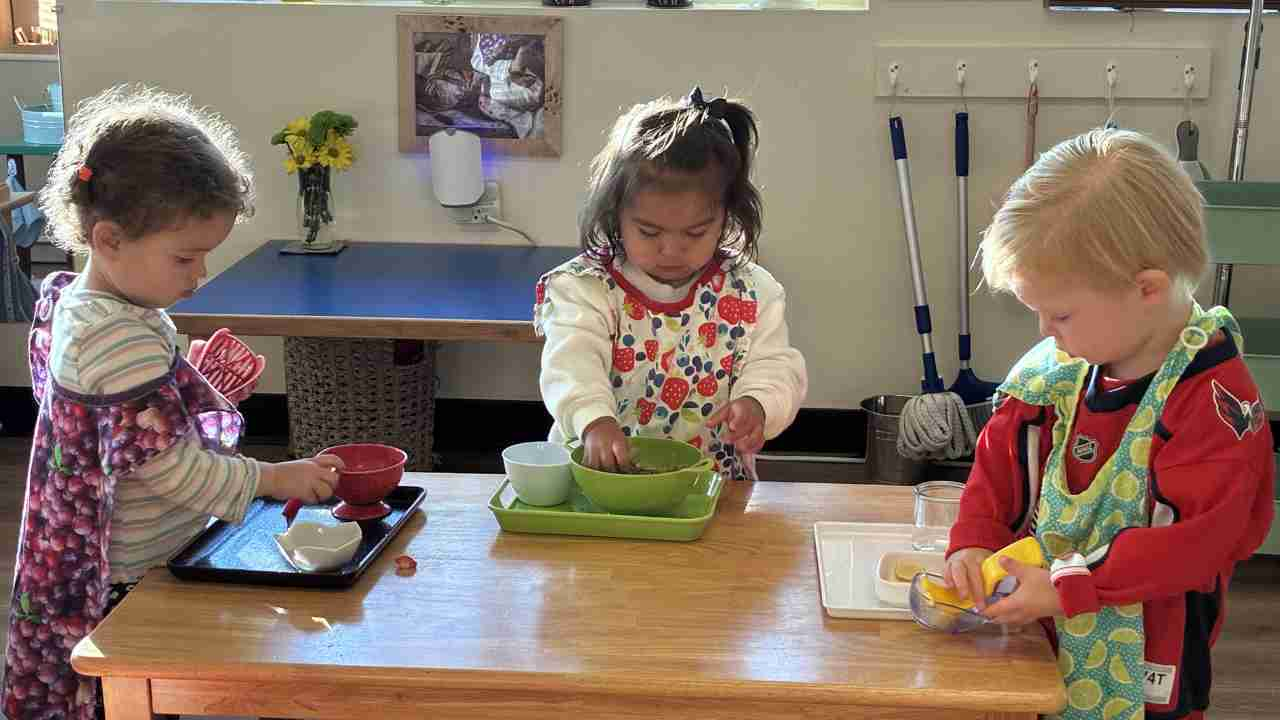
🧽 Absorption Through the Environment
Children don’t just learn during these phases—they absorb. Like a sponge or a camera, they take in language, movement, and emotional cues without conscious effort. These sensitivities come from within the child—not from adult instruction—but require a prepared environment and mindful observation by adults to fully support them.
🧩 Key Sensitive Periods (0–6 years)
Here are some of the most common and observable sensitive periods in the first six years:
- Language (Birth to ~6 years)
Begins in the womb, continues through spoken language, and later includes writing (3.5–4.5 years) and reading (4.5–5 years). The child absorbs vocabulary, tone, grammar, and expression effortlessly. - Movement (Birth to ~4 years)
Includes gross motor (crawling, walking) and fine motor (grasping, hand control) development. Children need freedom to move and explore. - Order (~6 months to 3 years)
Children show a strong desire for routine, predictability, and tidiness. This helps them understand their environment and feel secure. - Refinement of the Senses (~Birth to 5 years)
Children are drawn to sensory input—touch, sound, color, texture. They refine their senses through exploration and repetition. - Attention to Small Details (15 months to 2.5 years)
A phase where children notice tiny elements in books, nature, or their surroundings—things adults often overlook! - Grace and Courtesy (2.5 to 6 years)
Children become highly sensitive to social behavior, manners, and cultural customs. They want to imitate and understand how to belong to their community.
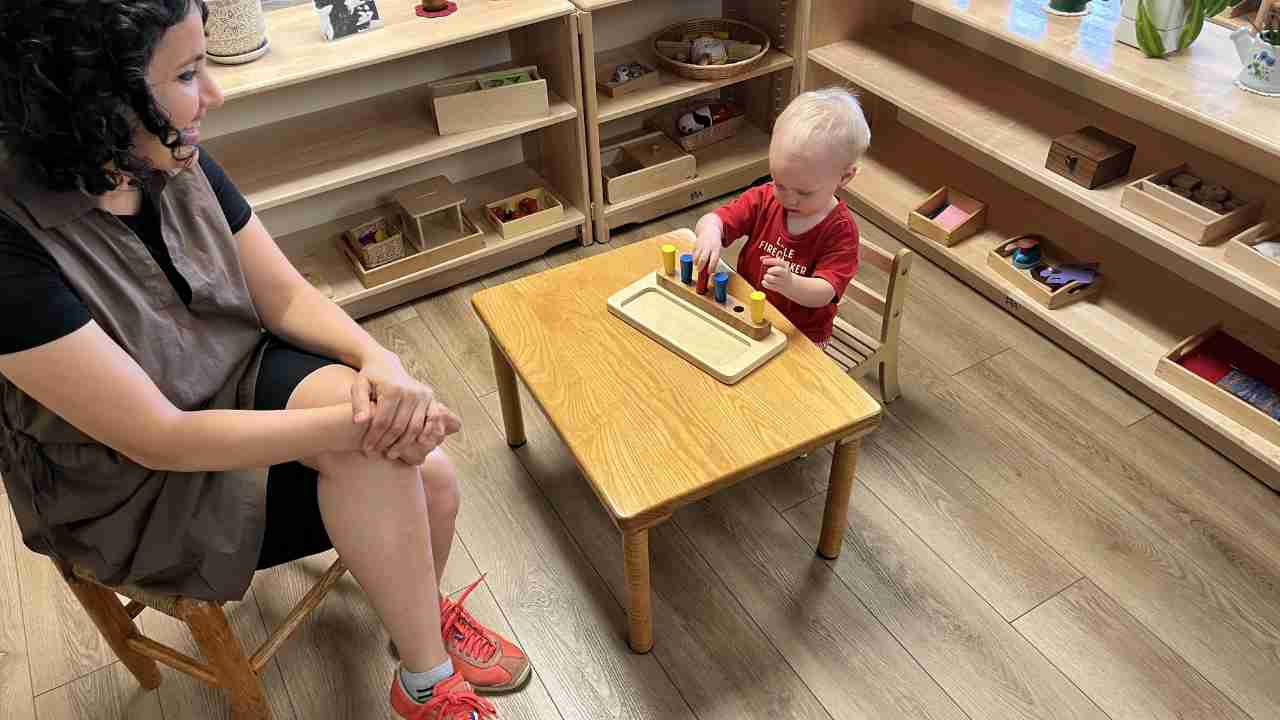
🧑🏫 The Role of the Adult
Your role as a parent or caregiver is crucial during these sensitive periods. Here’s how you can support your child:
- Observe – Watch for signs of deep interest or repeated behavior.
- Prepare the Environment – Offer rich, meaningful, and age-appropriate materials.
- Connect, then Step Back – Gently guide your child to a material or activity, then allow them the freedom to explore independently.
- Protect Concentration – Avoid interrupting focused work; this is when the deepest learning occurs.
- Trust the Process – Every child learns at their own pace. Your trust builds their confidence.
🧠 Why It Matters
If a child misses a sensitive period, they can still learn the skill later—but it will require much more effort and may not come with the same ease or joy. When we honor and support these windows, we are helping children develop naturally into the people they are meant to become.
As Montessori beautifully stated:
“The sensitive periods are like a flame within the child. The materials are the water to calm the fire.”
– Maria Montessori
Let us continue working together to provide the right experiences at the right time—nurturing your child's natural development with joy and respect.
Zahra Javaheri
AMI 0-3 Guide
